
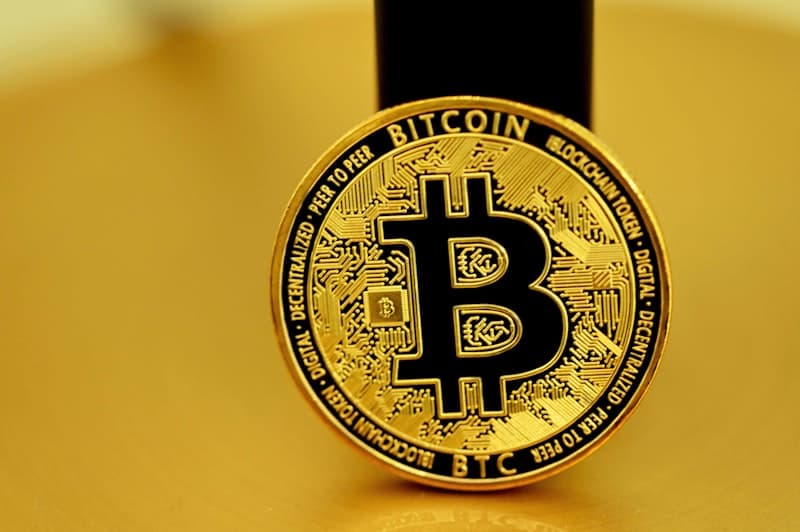
The latest research from Mercado Bitcoin adds another layer to the growing narrative that Bitcoin behaves like a true risk‑on asset during periods of heightened uncertainty. By analyzing 60‑day windows after a range of macro‑economic and geopolitical events, the study finds that Bitcoin consistently outperforms both gold (XAU/USD) and major equity indices. For traders, this insight reshapes the classic “safe‑haven” playbook and opens new opportunities in the crypto‑forex space.
The study’s methodology controls for event severity by ranking shocks on a 1‑5 impact scale, ensuring that the outperformance isn’t simply a by‑product of milder incidents.
Bitcoin’s hard‑capped supply of 21 million coins creates a scarcity narrative that resonates when investors search for assets that cannot be printed at will. Unlike fiat currencies, central banks cannot expand Bitcoin’s supply to fund stimulus, making it an attractive hedge against inflationary policy shocks.
During crisis‑driven rate cuts or quantitative easing, bond yields fall and risk‑off sentiment rises. Bitcoin, however, often decouples because its price drivers are more closely tied to global internet adoption, institutional inflows, and macro‑risk appetite rather than domestic monetary policy.
The past five years have seen a surge in institutional custody solutions, ETF filings, and corporate treasuries allocating a portion of reserves to BTC. When markets wobble, these large‑scale players tend to re‑balance toward Bitcoin, amplifying price moves.
Unlike gold, which still relies on physical logistics and over‑the‑counter markets, Bitcoin trades continuously on a global network. Traders can react instantly to breaking news, compressing the lag between shock and price discovery.
| Metric (60‑day post‑shock) | BTC/USD | ETH/USD | XAU/USD |
|---|---|---|---|
| Average Return | +22 % | +15 % | +8 % |
| Volatility (σ) | 68 % | 72 % | 12 % |
| Sharpe Ratio* | 0.32 | 0.21 | 0.15 |
| Correlation to S&P 500 | 0.28 | 0.31 | 0.12 |
*Sharpe calculated using a risk‑free rate of 2 %.
Key takeaways:
Identify upcoming macro events (e.g., FOMC meetings, elections, geopolitical flashpoints). Allocate a small, defined % of capital (2‑5 %) to long BTC/USD positions a day before the event, with a tight stop‑loss (e.g., 8‑10 % below entry) to manage the higher volatility.
When volatility expectations rise, buying out‑of‑the‑money call options on BTC or ETH can capture upside while limiting downside to the premium paid. A straddle (simultaneous call and put) can also profit from the post‑event swing, regardless of direction.
Pair a long BTC/USD with a short XAU/USD if you anticipate the shock will favor crypto over gold. This hedge reduces exposure to a scenario where both assets rally, which could dilute relative performance.
Given Bitcoin’s high intraday swings, a trailing stop set at 12‑15 % can lock in gains while allowing the trade to ride the momentum wave.
Apply the Kelly Criterion using the study’s Sharpe ratios to estimate optimal allocation. For Bitcoin’s 0.32 Sharpe, the Kelly fraction suggests a modest 8‑12 % of the portfolio in a high‑conviction event‑driven trade.
The Mercado Bitcoin study reinforces a paradigm shift: Bitcoin is no longer merely a speculative novelty; it behaves increasingly like a high‑return, risk‑adjusted asset during macro‑economic turbulence. For traders, the key is to blend disciplined risk management with event‑driven positioning. By leveraging options, dynamic stops, and cross‑asset hedges, you can capture the upside while keeping downside exposure in check.
Stay vigilant on the event calendar, keep an eye on real‑time correlation metrics, and remember that discipline beats hype—especially when markets are moving at lightning speed.
These event-driven crypto strategies translate directly to prop-firm trading. A Global4EX Challenge or HFT Instant account gives you the capital to act on post-shock opportunities—provided you maintain the disciplined risk controls outlined above.
Published by the Global4EX Team. Learn more at global4ex.com
Join Global4EX where traders unite, grow, and get rewards.
Join NowAll information is provided "as is," without warranties of completeness, accuracy, timeliness, or results, whether express or implied. Users are solely responsible for evaluating the risks and benefits associated with the use of this website's content.
Payments made to access simulated challenges are not deposits, investments, or client funds, but subscription fees for participation in evaluation programs and educational materials. All fees collected are allocated toward operational expenses, including but not limited to personnel, technology, and business infrastructure.
The information provided regarding simulated challenges is intended solely for educational purposes related to trading practices. It does not constitute investment advice, financial services, brokerage services, business recommendations, investment opportunity analysis, or general recommendations regarding trading financial instruments.
It provides simulated evaluations using data feeds from reputable brokers and platforms solely for the purpose of educational and training simulations. No real trading activity or execution of financial transactions takes place on behalf of participants.
This website and its content are not intended for residents of jurisdictions where its distribution or use would contravene local laws or regulations.